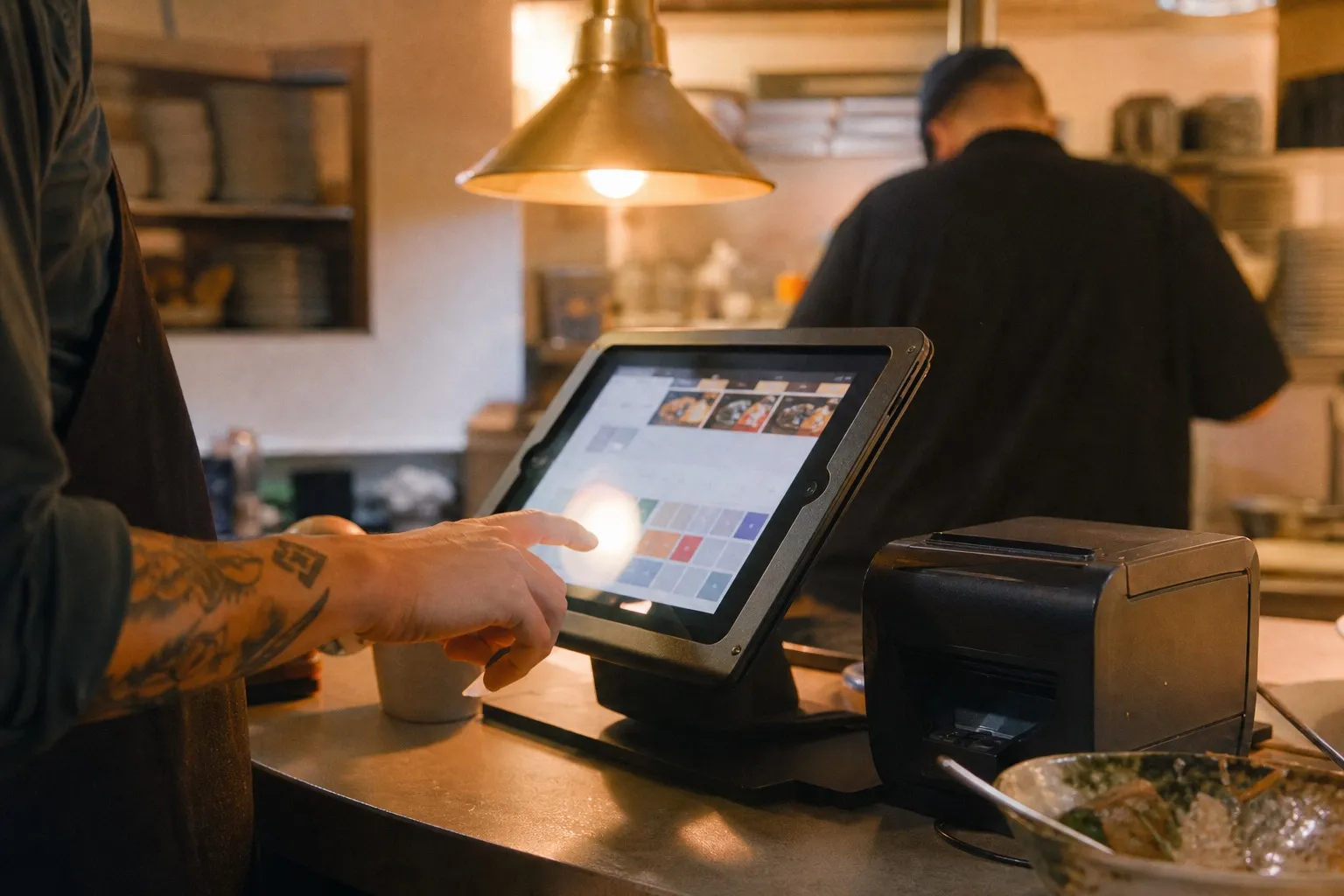
Minimum-Wage Day: The Bill Finally Comes for the AI Roadmap

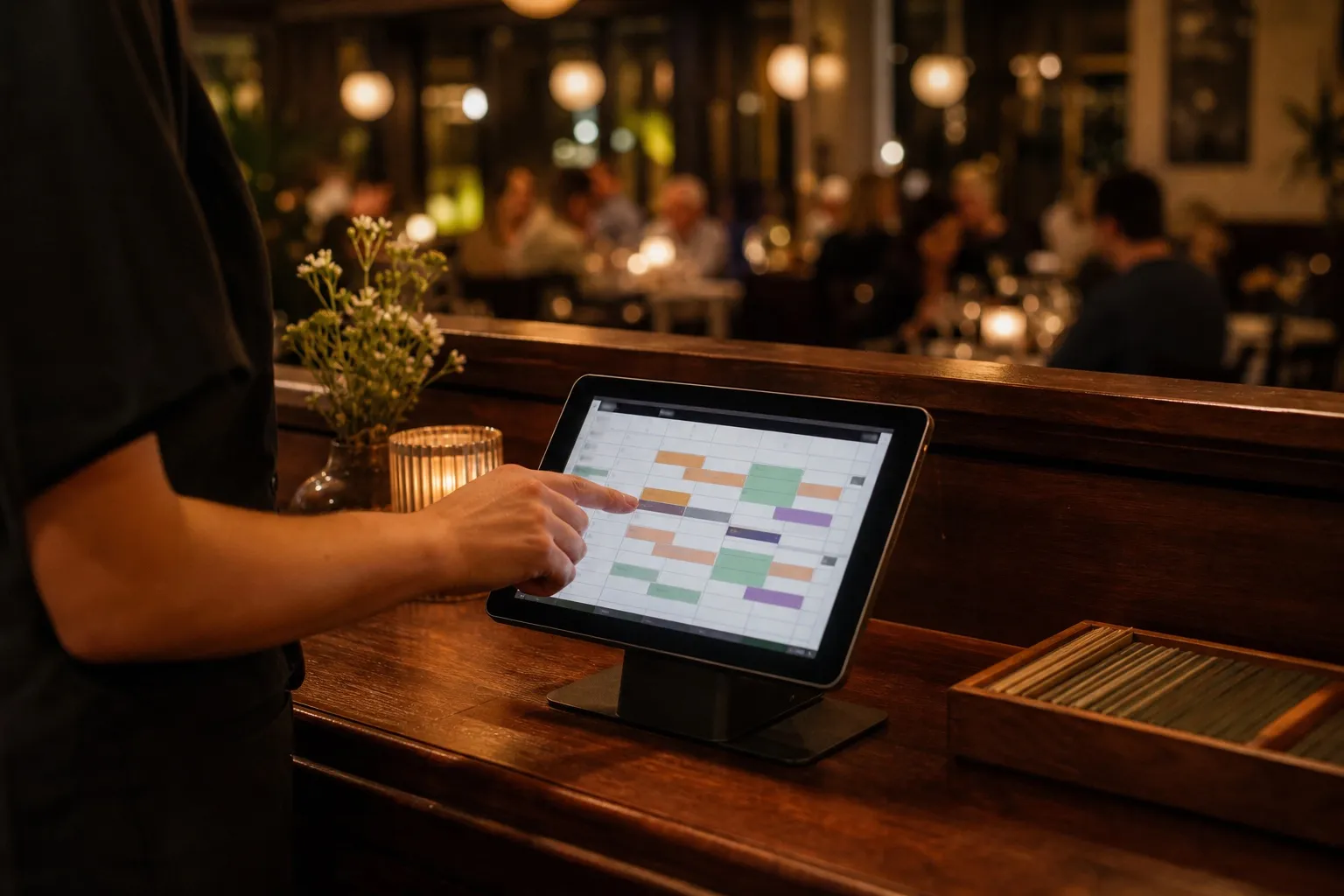
Mid-year minimum-wage hikes in more than a dozen jurisdictions on July 1 land in the same quarter operators are signing voice-AI and scheduling-AI contracts. Automation stops being a slide deck and becomes a line item — and the math is no longer optional.
I spent the morning of July 1 on the phone with three operators — Chicago, DC, West Hollywood — and every one of them said some version of the same sentence. The AI pilot just stopped being a pilot. As of today, the tipped wage in Chicago jumped from $11.02 to $12.62, the largest single tipped-wage increase in city history. DC’s tipped minimum lifted to $19.95. LA city ($17.87) and LA County ($17.81) bumped on the same calendar page. Alaska went to $13. More than a dozen jurisdictions moved at once.
The contrarian thing worth saying on day one of the second half: automation stops being a slide deck and becomes a line item. Vendor decks operators have been reading since spring — voice agents for the drive-thru, AI schedulers, kitchen vision — were always pitched on labor savings. Today the denominator changed. The pitch is an arithmetic problem with a deadline.
The math nobody wanted to do in May
Here is the conversation I have not been able to escape in three weeks. An operator with eight locations in a $17 market signs a voice-AI contract at $1,800/store/month. In May, the savings story is “maybe one fewer host shift on weekends.” In July, after a $0.50 bump across forty hourly workers, the same contract is a 9% offset on the new labor delta before it touches schedule efficiency. The vendor didn’t get better. The denominator did.
FSR Magazine’s state-of-restaurants survey for 2025 put labor at the top of operator concerns coming into the year, with margin compression the recurring complaint and “getting creative” the polite phrase for what operators are actually being asked to do. The piece is worth re-reading today because the framing it used in January — labor as a slow squeeze — is now a step function. July 1 is the step.
Three things shifted as of this morning:
- The break-even moved in the operator’s favor. Every AI vendor’s ROI deck assumed a baseline labor cost. The new baseline is higher in roughly a dozen markets. Same software, better payback.
- Tipped-wage geography is no longer a side note. Chicago’s tipped jump is the loudest, but the structural story is that the gap between tipped minimum and full minimum keeps narrowing in the cities operators most want to be in. The “tip credit” line on a full-service P&L is doing less work every July 1.
- Scheduling tightens, not just sums. With LA County and LA city moving on the same day, multi-unit operators across the basin have to reconcile two different floors per shift. That is a scheduling-AI problem before it is a payroll one.
Why the contracts get signed in Q3, not Q1
Operators keep describing a pattern in their own buying. The pilot starts in February. The CFO asks for a memo in April. The contract gets signed in late July or August. Until this year I read that as procurement inertia. I now read it as a labor-clock thing. Operators have been waiting for the July 1 numbers before committing capex against them. The hikes published on the DOL state minimum wage page are the forcing function the boardroom needed.
Mark this as interpretation, not data: the vendors who close the most business in the second half of 2025 will be the ones who can write a single-page memo for an eight-store operator that maps the AI contract dollar-for-dollar against today’s wage delta, by location. Not “AI savings.” Not “throughput uplift.” A line item, in this jurisdiction, on this schedule, at this floor. The decks that survive contact with the new wage floors will be the boring ones.
What the regulators see that the vendors don’t
The other thing July 1 does is put a regulator in the room. Operators signing voice-AI contracts this quarter are about to discover what happens when a labor regulator asks how the system staffed Saturday brunch — and a forthcoming May piece on the EU AI Act applied to restaurants makes the point that scheduling systems making material decisions about hours sit squarely inside the high-risk frame Brussels has been drafting. American regulators are slower; American plaintiffs’ lawyers are not.
The cleanest version of the automation story this year is not the drive-thru voice agent. It is the kitchen line that doesn’t change shape when the floor moves. An upcoming May piece on Sweetgreen’s Infinite Kitchen is the case study I keep returning to: the unit economics of an automated make line are unusually stable across a $14 floor and a $20 floor, because the labor schedule that touches them is fixed. Most full-service concepts cannot make that bet today. The question July 1 is forcing is whether the next remodel cycle has to.
What to do this week
Three things, in order:
- Re-run every AI vendor ROI deck against today’s wage floor for the specific stores you operate. If the deck still pencils, sign. If it pencils harder, negotiate.
- Pull your tipped-wage exposure by store. The Chicago and DC moves are not symmetric, and full-service operators with heavy tipped headcount are taking the largest hit in absolute dollars.
- Ask your scheduling vendor for a July 1 reconciliation report. Not a forecast. A reconciliation: what did the system schedule against what the law now requires.
The AI roadmap conversation has been theoretical in this industry for two years. The bill came today. Read the deck again.
— Hana edits the newsroom for TableTransfers. Tips: tips@tabletransfers.com.
Featured
More
Browse all 494 posts
The Voice Agent Maturity Curve
mise
·12 min read
The Four Margins of a Restaurant
mise
·14 min read
The AI Premium in Hospitality M&A: Broker Story or Real Number?
the bottom line
·9 min read
What the DoorDash/SevenRooms Deal Actually Buys
the bottom line
·11 min read