Sweetgreen Sold the Robot. Now What?
Sweetgreen's Q4 print was ugly — revenue down 3.5%, same-store sales off 11.5%, traffic and mix off 13.3%. A week later the $186.4M Spyce-to-Wonder close hit the wire. Selling Infinite Kitchen solved a balance-sheet problem, not a strategy problem — and the cost-plus-five repurchase structure means IK economics get worse at scale, not better.
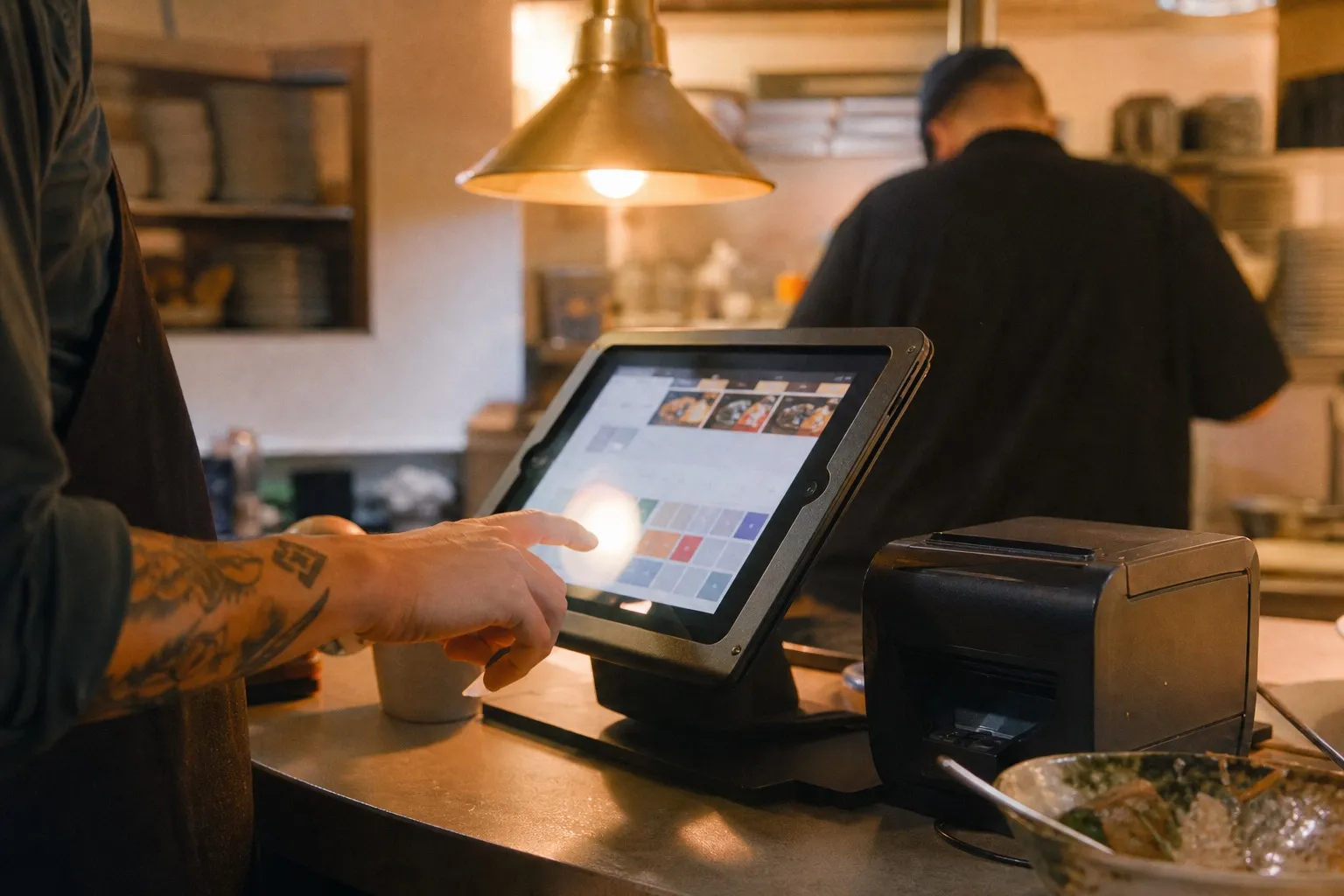
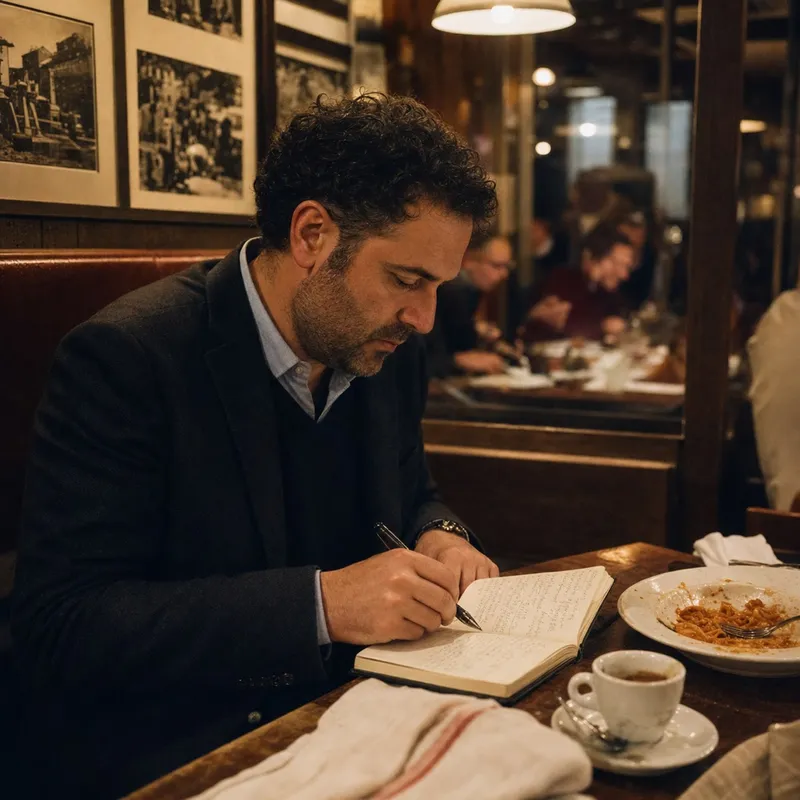
I had dinner with a Sweetgreen multi-unit operator on the Wednesday before the Q4 print landed. He was tired in a way I have only ever seen restaurant operators tired — half from the floor, half from the spreadsheet. He told me, without prompting, that he thought the Infinite Kitchen was going to be sold. He was right within nine days. The BusinessWire release on February 26 confirmed two things in the same paragraph: Q4 revenue of $155.2 million, down 3.5%; same-store sales down 11.5%; traffic and mix down 13.3%; restaurant-level profit margin of 10.4%. And, three lines later, “total consideration of $186.4 million, made up of cash of $100 million and Series C preferred stock of Wonder with an implied value of $86.4 million.” Sweetgreen sold the robot.
By the close of business last Thursday, the integration phase was done. The press cycle has moved on. I have not. The contrarian read, sitting here a week later, is that the sale did not fix the business — it bought the business time. Selling Infinite Kitchen at $186.4M solved a liquidity problem. It did not solve a strategy problem. And the repurchase structure embedded in the deal — Sweetgreen now buys IK units back from Wonder at cost-plus-five — means the unit economics that made Infinite Kitchen interesting in the first place get worse as the fleet scales, not better.
The Q4 print said the quiet part out loud
Read the numbers in order. Total revenue of $155.2 million, down 3.5% year-over-year. Same-store sales of negative 11.5%. The composition matters more than the headline: traffic and mix together accounted for 13.3 points of the same-store decline. That is not a pricing story. That is a guest-count story. Sweetgreen lost diners in Q4 2025, and lost them at a rate that no operating lever — not labor automation, not menu optimisation, not loyalty — can paper over in a single quarter.
The restaurant-level profit margin held at 10.4%, which is the line the equity story leans on. RLM is the cleanest operator-side number Sweetgreen prints, and at 10.4% it is still well below where the bull case put it two years ago when the Infinite Kitchen narrative was building. Hold the 10.4% next to the labor disclosure that has run through every IK-equipped store conversation since 2024 — 700 basis points of labor savings on Infinite Kitchen stores versus classic comps, roughly 100 basis points of COGS improvement on the same cohort — and the math reads as follows: the IK fleet is producing the savings the company promised, and the savings are not enough to outrun the traffic decline. The robot worked. The brand did not.
That is the strategic problem the sale does not address. Selling the underlying business to Wonder gives Sweetgreen $100 million in cash and $86.4 million in Series C paper, plus a license back to operate the IK technology in its own stores. It does not give Sweetgreen one additional cover. The traffic line is still down 13.3 points.
Cost-plus-five is the line nobody is reading
Here is where I am offering a read, not a fact, and I want to be explicit about it. The mechanics of the repurchase structure — Sweetgreen buys new IK units from Wonder at cost plus a five-percent margin — invert the unit economics that made the Infinite Kitchen interesting in the first place.
Walk through it. Pre-sale, Sweetgreen was building IK lines in-house. The capital was on its own balance sheet, the engineering team was on its own payroll, the depreciation schedule was its own. Every additional unit deployed reduced the per-unit fully-loaded cost of the IK platform, because Sweetgreen was amortising fixed engineering and tooling across a growing fleet. The 700-bps labor savings — disclosed and re-disclosed across multiple quarters and a growing store base — were the output of that internal-build economics. The headcount of the Spyce engineering org was the input.
Post-sale, the engineering org belongs to Wonder. The capital is on Wonder’s balance sheet. And every new IK unit Sweetgreen wants to deploy comes priced at Wonder’s manufacturing cost plus five percent. That structure was, per the QSR Magazine coverage of the deal terms, explicit in the integration documents. The number that operators should be running, and that nobody appears to be running publicly, is the breakeven: at what fleet size does the cost-plus-five repurchase pricing erode the 700-bps labor savings to a point where the IK unit is no longer accretive?
I do not have the cost base to model that breakeven precisely. Wonder has not disclosed its manufacturing-cost basis on the IK platform, and Sweetgreen has not disclosed the per-unit license fee structure separately from the repurchase pricing. But the direction of the curve is unambiguous. As Sweetgreen scales the IK fleet beyond the 32 stores it had at year-end 2025, every incremental unit comes in at a higher capital cost per store than the prior internal-build economics. That is not a scale advantage. That is a scale penalty. The robot used to get cheaper per cover as the fleet grew. Now it gets more expensive per cover as the fleet grows.
The strategic shape, restated
The bull case on Sweetgreen for the last three years was, structurally, an AI-spend case. The argument was that the company had built a defensible operational moat — the Infinite Kitchen — that competitors could not replicate without years of capital and engineering investment, and that the moat would compound across the fleet as the brand expanded. The 700-bps labor disclosure and the 100-bps COGS disclosure were the evidence anchors. The Fast Company piece on the Spyce-to-Wonder transition framed the sale as a refinement of focus — Sweetgreen returning to its operator roots while Wonder takes on the platform-scaling risk. Read generously, that framing has merit.
Read structurally, the sale dissolves the moat. The technology now belongs to a vertically-integrated competitor — Wonder, which operates its own restaurant brands and now owns the kitchen-automation platform underneath. Sweetgreen has a license back, but a license is not a moat. A license is an operating expense. The Food On Demand analysis of the deal’s strategic shape read the transaction as a transfer of optionality from Sweetgreen to Wonder, and I think that read is correct. Wonder is the entity that can now scale Infinite Kitchen across multiple concepts, multiple brands, multiple cuisines. Sweetgreen is the entity that paid for the R&D and traded the platform for cash because the operating business needed the cash.
Which brings us back to the Q4 print. Revenue down 3.5%. Traffic and mix down 13.3%. RLM at 10.4%. The cash from the sale buys Sweetgreen runway to fix the brand problem. It does not fix the brand problem itself. The forthcoming TableTransfers case study on the Infinite Kitchen deployment, in public view, will dig into the operational record across the 32-store fleet at greater length; and the buy-side argument my colleague Oliver has been developing on why the AI premium is the wrong thing to pay for in 2026 reads, in this light, less like a contrarian thesis and more like a market-clearing event already in motion.
Sweetgreen sold the robot. The cash is real. The runway is real. The traffic line is also real, and the cost-plus-five repurchase math says the next chapter of the IK story is one Sweetgreen no longer owns the economics of. Now what? Now the brand has to do brand work. The robot was always the cover story.
— Luca covers restaurants for TableTransfers. Tips: tips@tabletransfers.com.
Featured
More
Browse all 494 posts
The Voice Agent Maturity Curve
mise
·12 min read
The Four Margins of a Restaurant
mise
·14 min read
The AI Premium in Hospitality M&A: Broker Story or Real Number?
the bottom line
·9 min read
What the DoorDash/SevenRooms Deal Actually Buys
the bottom line
·11 min read