The Hospitality Acquisition Nobody Predicted: SevenRooms Goes to DoorDash for $1.2B

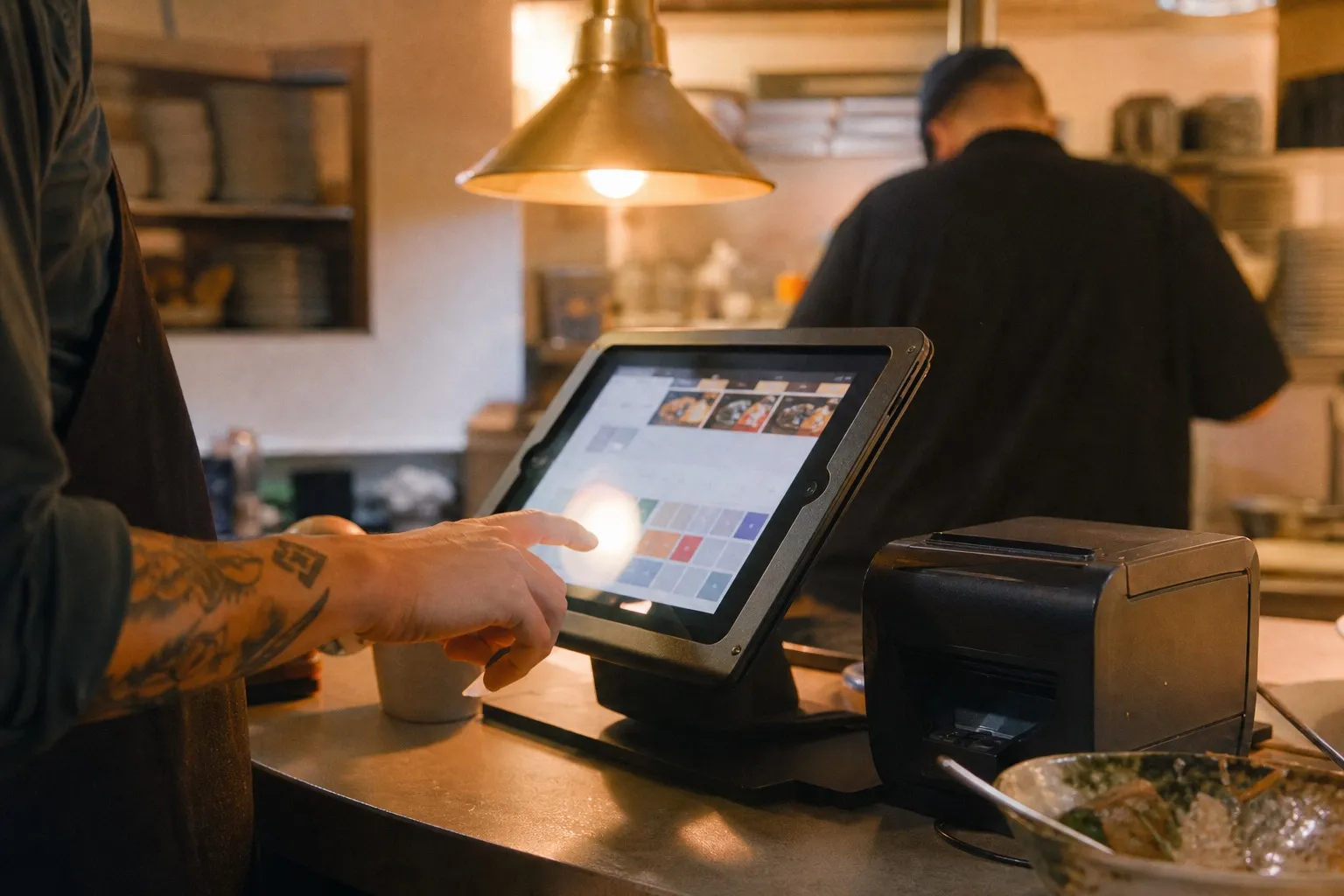
DoorDash buying SevenRooms — the reservation/CRM platform serving Marriott, MGM, and Mandarin Oriental — is the cleanest signal yet that delivery platforms see in-store guest data as the next moat.
I was on the phone with a F&B director at a Marriott property — she runs SevenRooms across three outlets, a rooftop, and a banquet floor — when the press alert lit up both of our screens. Long pause. Then: “Wait. DoorDash bought them?” Yes. $1.2 billion. All cash. Announced this morning, May 6, 2025. She pulled up the SevenRooms release: “So who owns my guest list now?”
That, right there, is the question. And it is why this deal — not the Deliveroo headline on the same ticker today — should reshape how independent operators, hotel F&B teams, and group-restaurant CFOs think about the next eighteen months.
My read: in-store guest data is the moat that mattered, and DoorDash just bought the deepest install base of it in hospitality. Everything else is downstream.
What $1.2B actually buys
Anchor the facts. DoorDash is paying $1.2 billion in cash for SevenRooms, per CNBC and Bloomberg. SevenRooms — co-founded by Allison Page, who runs it as President and CEO — sits across 13,000+ venues. The roster is the part that should make competitors nervous: Marriott, MGM Resorts, Mandarin Oriental, and Wolfgang Puck’s group are all in there. Not “tested it.” Running on it. As their reservation, CRM, marketing, and host-stand operating layer.
For context: SevenRooms had raised about $69.9M, with PSG leading late-stage and Comcast Ventures and the Amazon Alexa Fund among earlier backers. A $1.2B exit is roughly a 17x markup. Not a generous price — a strategic one. The kind you pay when the asset is the only one of its kind and you cannot build it fast enough on your own.
Tony Xu’s framing in the Restaurant Dive coverage is worth reading carefully. He is not pitching this as “DoorDash adds reservations.” He is pitching DoorDash owning both sides of the diner relationship: the order on the doorstep, and the guest profile at the table. The platform language is unmistakable. They want a unified diner identity.
Why the hotel-F&B install base is the prize
Most of the day-one coverage is going to undersell this. The headlines will say “DoorDash buys reservation platform.” The actual asset is hotel and luxury-group F&B.
Think about what SevenRooms knows that OpenTable, generally, does not. The guest who books the rooftop bar at a Mandarin Oriental on a Thursday is the same guest who books the steakhouse downstairs Friday, takes a banquet meeting Saturday, and checks into the hotel on Sunday. SevenRooms knows allergies, preferred tables, spend per visit, anniversaries — and it knows them across an entire property, not just one restaurant. That is the data layer hotels have been building inside SevenRooms for years.
My read: DoorDash did not buy a reservation book. DoorDash bought the connective tissue between hotel loyalty, F&B revenue, and the guest’s actual identity. If you are a major hotel group with a DoorDash relationship on the room-service or hotel-delivery side, the integration story writes itself.
The install base is also sticky in a way that is easy to miss. SevenRooms gets embedded in SOPs. Host stands are trained on it. Marketing automations are wired into it. Migration cost is not a sticker price — it is months of re-training across every outlet. That is why the 13,000-venue number matters more than the revenue multiple.
What this means for OpenTable, Tock, Resy
The competitive picture got sharper today. OpenTable (Booking Holdings), Tock (now under American Express), and Resy (also under AmEx) all wake up tomorrow in a different market.
OpenTable has the broadest network but the thinnest CRM layer for the high-end segment. Tock built its identity on prepaid reservations and tasting-menu workflows. Resy has cultural cachet and the AmEx card-linked loyalty story. None of them, today, has a delivery-platform parent that can plug guest data into a national logistics network.
My read: expect a counter-move within ninety days. The obvious one is Uber Eats making a play — speculation about Uber and reservations infrastructure has run for years, and the strategic logic just doubled. The less obvious one is a hotel-group-led consortium move to build or buy a SevenRooms alternative they actually control. Marriott or MGM funding their own guest-data platform is no longer a hypothetical; it is a board agenda item by Q3.
For OpenTable, Tock, and Resy specifically, the pitch to operators just changed. “We are independent” is now a real differentiator. Some operators will value it. Some will want the delivery integration. The market will split, and that split will be visible in renewal cycles by the fall.
What operators should do this week
If you are running SevenRooms today, here is the honest read.
First: nothing breaks tomorrow. The platform keeps running. Allison Page stays on. Your data is not rerouted overnight — and the regulatory layer here, as our later coverage of the regulatory layer will get into, is not trivial. Antitrust review on a $1.2B vertical acquisition with this much guest-data concentration is going to draw attention.
Second: read your contract. Specifically the data-use clauses, the assignability language, and any change-of-control provisions. If you are a hotel group, your legal team is already on this; if you are an independent multi-unit operator, get it on the desk this week.
Third: decide where you stand on diner-identity sharing. The integration value is real — a unified profile across delivery and dine-in is a genuine operational unlock. The trade is that DoorDash now sits inside your guest relationship. Some operators will welcome that. Some will find it incompatible with their brand positioning. Both answers are defensible. The wrong move is not deciding.
Fourth — and the one I would push hardest on — talk to your OpenTable, Tock, and Resy reps this week. Not because you should switch. Because their pricing and terms are about to get more flexible than they have been in years, and that optionality is worth knowing about even if you stay put.
My read: most SevenRooms customers will stay. The platform is too embedded, the integration upside too plausible to walk away from on day one. The operators who get hurt are the ones who do not actively decide — who default into the new ownership structure without renegotiating, without reading the data clauses, without using the leverage this moment gives them.
As our subsequent Bottom Line on the May 6 doubleheader frames it, today was the day delivery platforms stopped pretending they only wanted the doorstep. The in-store guest is the prize. DoorDash just paid $1.2 billion to say so. The Deliveroo transaction announced the same morning is a separate deal with its own logic — but it does not change the read here. This one is about guest data.
The operator on the phone closed with: “I guess I need to call my GM.” She is right. So does everyone else running SevenRooms tonight.
— Hana edits The Pass. Tips: tips@tabletransfers.com.
Featured
More
Browse all 494 posts
The Voice Agent Maturity Curve
mise
·12 min read
The Four Margins of a Restaurant
mise
·14 min read
The AI Premium in Hospitality M&A: Broker Story or Real Number?
the bottom line
·9 min read
What the DoorDash/SevenRooms Deal Actually Buys
the bottom line
·11 min read