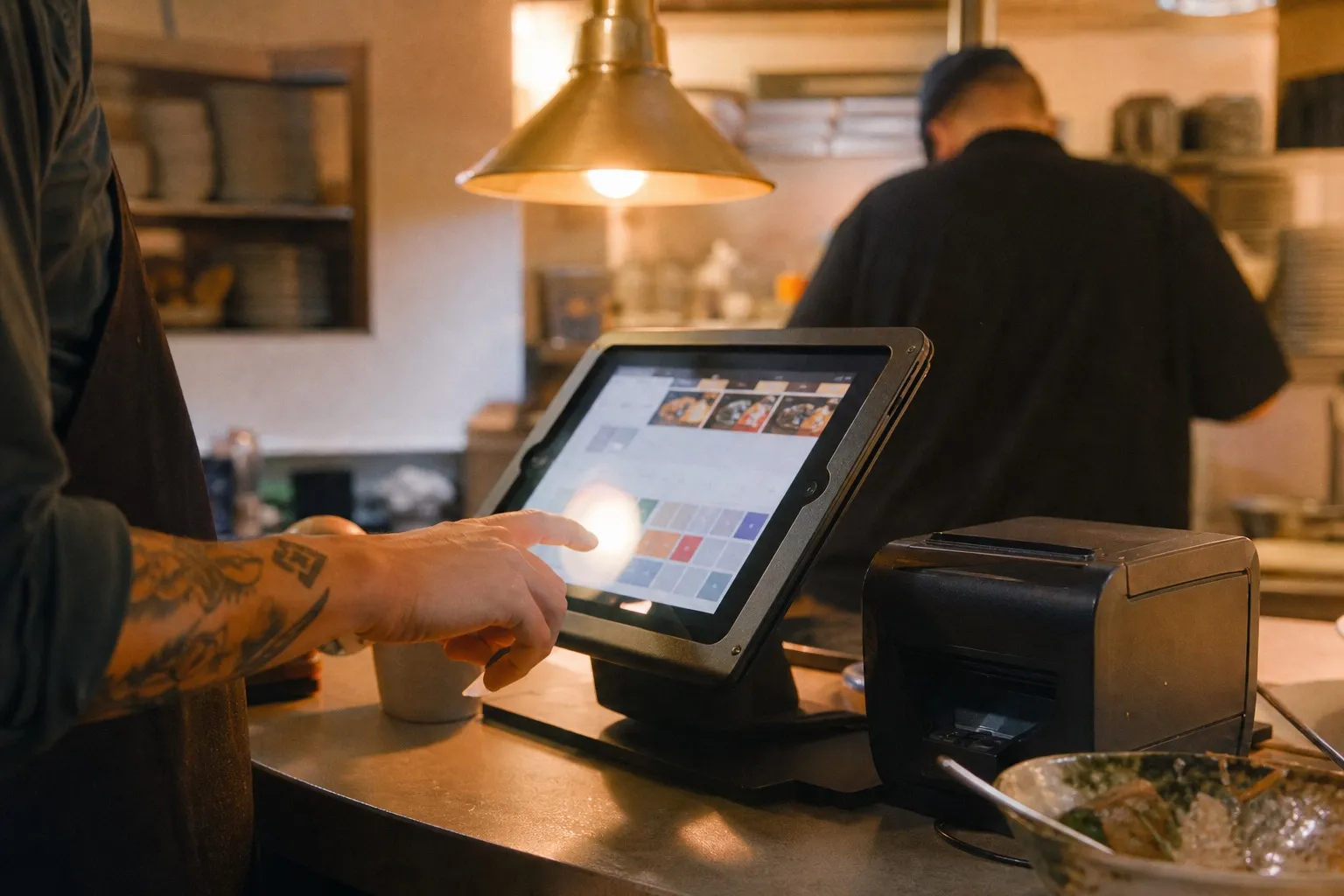
What 'FoodGPT' Means When the Restaurant Is the Customer
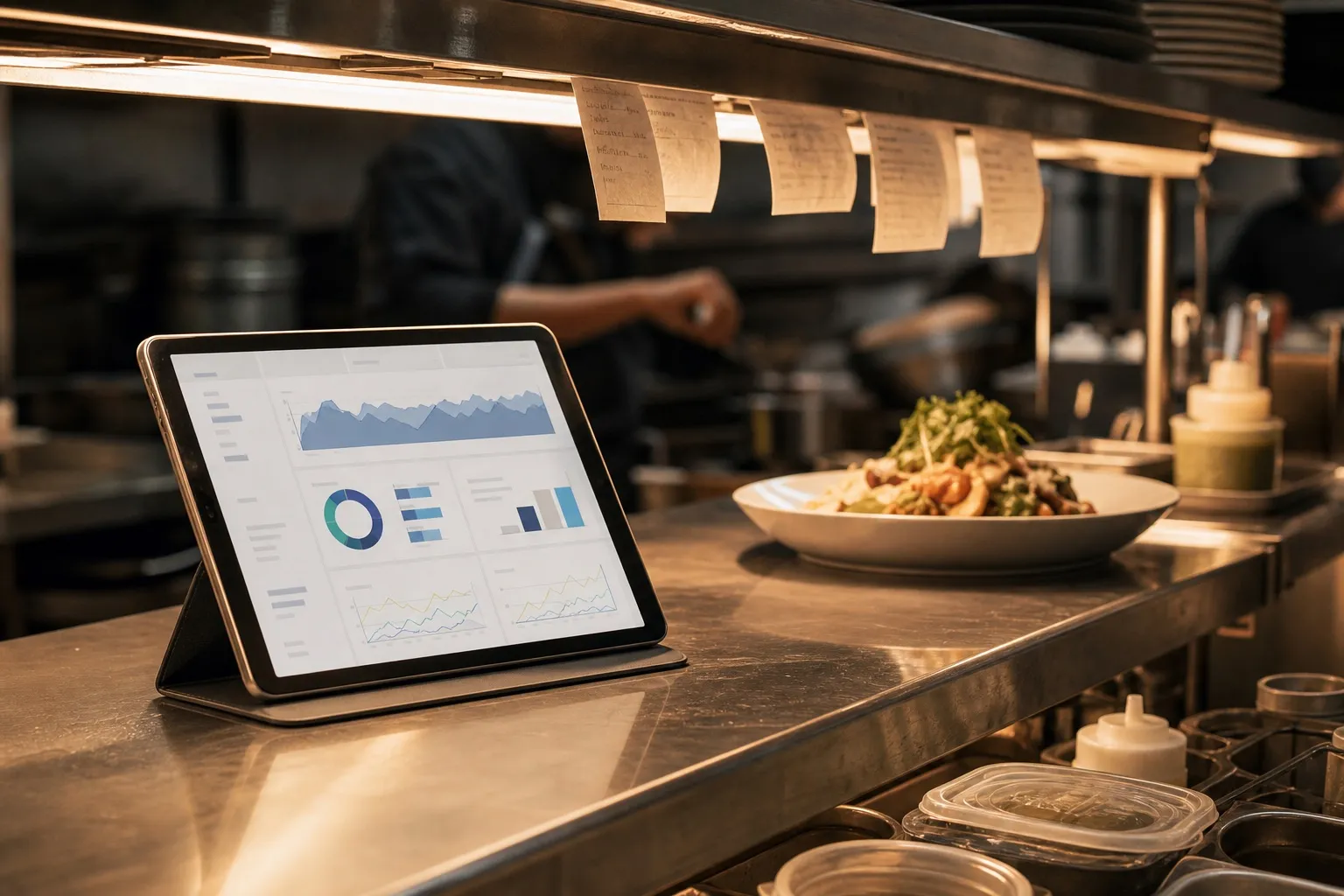
CES's foodservice panel framed AI as a B2B sale to operators, not a consumer-facing magic moment. A useful reframe heading into NRF — and a sign that 2025's hospitality-AI dollar moves through procurement, not marketing.
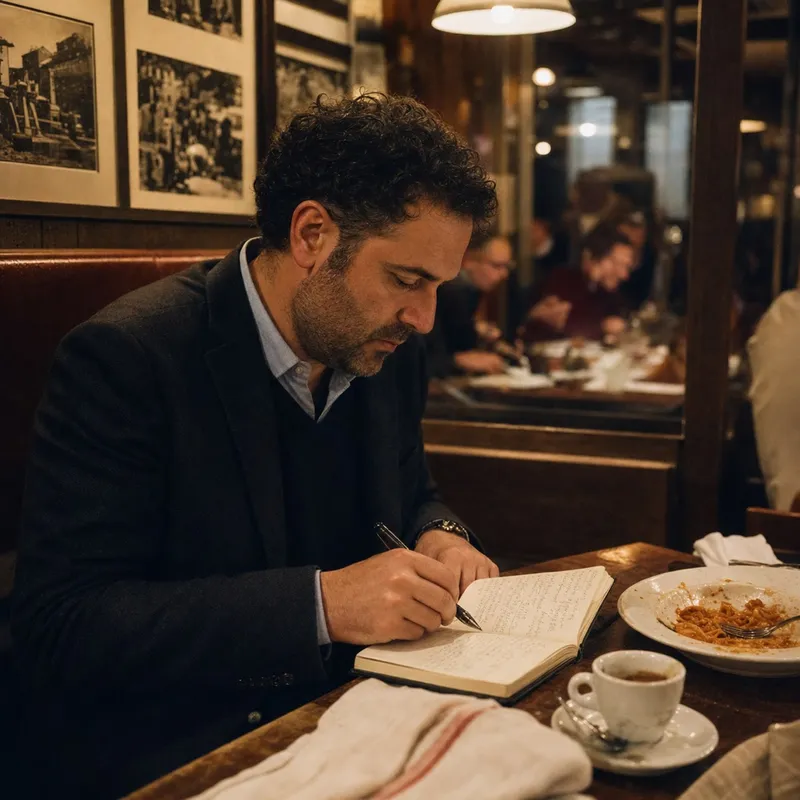
I am sitting in a Las Vegas conference room on the second day of CES, balancing a notebook on my knee, watching a panel called FoodGPT: How to Build an AI-Powered Food Company. The room is full of vendors. The slides are about operators. The questions from the floor are about margin. And it hits me, somewhere around the third demo reel of a synthetic drive-thru attendant: the hospitality-AI story for 2025 is not a consumer story. It is a procurement story.
That is the reframe I want operators to carry into NRF, which opens in New York in four days. The headlines coming out of CES this week will be full of phrases like “AI-powered food company” and “FoodGPT,” and most of them will be written as though the customer being seduced is the diner. They are not. The customer being seduced is you — the operator with a P&L, an aging POS, and a labor line that will not stop growing.
The panel was branded at consumers. The pitch was aimed at operators.
The companion session, Transforming the Restaurant and Food Services Industry with AI, made the subtext text. Onstage: a vendor founder, a multi-unit operator, and — interestingly — a director from NRF, the retail trade body whose Big Show opens next week. The presence of an NRF representative on a CES foodservice AI panel is not a footnote. It is a signal. The two shows are converging on the same buyer: the chain executive who signs five- and six-figure annual contracts for back-of-house technology.
My read: when the show that sells televisions and the show that sells point-of-sale systems both stage panels on the same week, with overlapping speakers, about the same software category, the message is that hospitality AI in 2025 is being sold as enterprise infrastructure. Not as a magic moment. Not as a consumer delight feature. As a line item.
The demos on the floor reinforced this. The Taco Bell and KFC “virtual human” drive-thru reels, which have been making the rounds, are not really about the customer experience. They are about the unit economics of the customer experience — the labor hours displaced, the order accuracy lift, the upsell rate. The virtual human is the spokesmodel. The actual product is the labor model.
”FoodGPT” is a sales term, not a product
I want to be careful here, because I have watched the food-tech press misread categories before. “FoodGPT” is not a product. It is not a single model. It is a marketing shorthand the panel organizers and a cluster of vendors have settled on to describe a stack: speech recognition, an LLM trained on menu and operations data, an action layer that talks to POS and kitchen display systems, and an analytics layer that reports back to the operator. None of those components are new. The packaging — and the procurement story around the packaging — is what is new.
This matters because operators reading CES coverage this week are going to encounter “FoodGPT” as though it is a thing they can buy. It is not. It is a category vendors are competing inside. The buying decision is still: which speech vendor, which LLM provider, which POS integration partner, which agent orchestration layer. In a forthcoming Mise piece on hospitality-AI economics, I want to lay out how those four decisions stack into a unit-cost number. For today, the point is more modest: do not let the marketing collapse four procurement decisions into one.
My read: the operators who win 2025 are the ones who unbundle the stack before signing. The ones who buy “FoodGPT” as a single SKU are the ones who will be re-platforming in 2026.
What to listen for at NRF next week
The reason CES Day 2 matters for the restaurant industry is that NRF Day 1 is four days away, and the same vendors — and several of the same speakers — will be on those stages. Operators heading to New York should bring three questions:
First, who owns the voice layer? The drive-thru agent demos are impressive on a CES stage. They are different in a parking lot in February with wind noise, a mumbling guest, and a menu that changed yesterday. Ask vendors what their word error rate is on the actual hardware they are quoting, in the actual conditions.
Second, where does the model run, and who pays for inference? A per-order inference cost that looks rounding-error at pilot scale becomes a real number at chain scale. As our voice-agent maturity-curve framework we later publish lays out, the economics flip somewhere between pilot and rollout, and the flip point is exactly the kind of detail vendors do not volunteer on a panel.
Third, what is the integration surface? “FoodGPT” demos beautifully when it is talking to a clean reference POS. The question to ask at NRF is what happens when it has to talk to your POS — the one with seventeen years of menu accretion and a custom modifier scheme nobody documented.
My read: CES framed the category. NRF will price it. The operators who treat next week as a procurement exercise rather than a wonder-show will be the ones who do not overpay.
— Luca covers restaurant operators. Tips: tips@tabletransfers.com.
Featured
More
Browse all 494 posts
The Voice Agent Maturity Curve
mise
·12 min read
The Four Margins of a Restaurant
mise
·14 min read
The AI Premium in Hospitality M&A: Broker Story or Real Number?
the bottom line
·9 min read
What the DoorDash/SevenRooms Deal Actually Buys
the bottom line
·11 min read