Hyatt Ships a ChatGPT App; Brussels Ships a Compass

Two stories landed on the same Tuesday. Hyatt expanded its ChatGPT app and turned on intent-based natural-language search on Hyatt.com. The EDPS published its AI Act Compass. For hotel-tech vendors selling into the EU, those two press releases belong on the same desk.
I had Hyatt’s app open on one phone and the European Data Protection Supervisor’s homepage open on a laptop, both before my coffee was poured. The Hyatt tab was a Hotel Technology News story about a ChatGPT app that now actually books rooms. The EDPS tab was a freshly-published “Compass” document explaining how a Brussels regulator now polices the AI systems Hyatt’s vendors are racing to ship. Two press releases. Same Tuesday. Same operator stack.
The contrarian thesis: the Hyatt story is the smaller half of the news today. The bigger half is the EDPS publishing its AI Act role in writing, on the record, with a number you can call. Hotel-tech vendors who sell to EU public administration — and that quietly includes anyone with a hospitality school contract, a state-owned conference centre, or a tourism-board pilot — just got a regulator with a notified-body badge and a market-surveillance brief. That is the news under the news.
The Hyatt half, in operator language
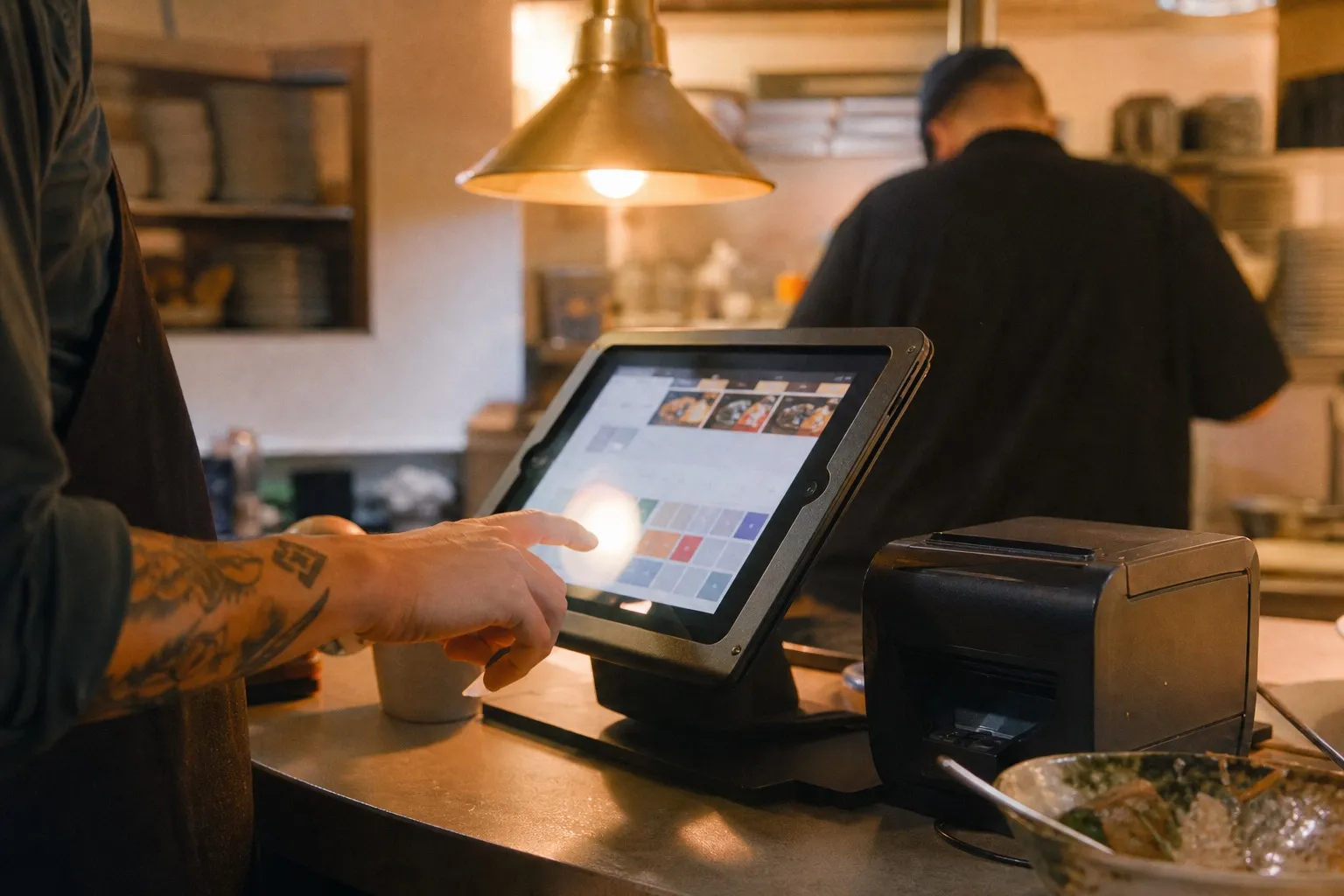
Hotel Technology News reports Hyatt has expanded distribution of its ChatGPT app and rolled out intent-based natural-language search directly on Hyatt.com. Two moves, one strategy. The ChatGPT app is the off-property surface — a guest asking ChatGPT for a hotel in Lisbon can now book a Hyatt without leaving the chat. The on-site search is the on-property surface — a guest already on Hyatt.com types “quiet hotel near a beach with a pool for kids” and the engine resolves the intent into properties, rather than forcing the dropdown ritual of city, dates, room count.
The chain is citing higher booking conversion and longer length of stay on the natural-language flow. Both numbers are the ones an operator wants. Conversion lift is the easy story — fewer abandoned searches, more guests reaching a rate plan. Length-of-stay lift is the interesting one. A natural-language query carries context — “a long weekend,” “five nights,” “the week between Christmas and New Year” — that a date-picker strips out. The engine reads the intent and offers the property that fits it. That is a different category of personalisation than the loyalty-tier discount that has dominated chain AI conversations for three years.
(Interpretation flag: Hyatt has not released the underlying conversion delta. Until a vendor or analyst publishes a comparison number, treat the “higher” framing as directional, not benchmarkable. The pattern matches what I have heard on background from two other chain digital teams since January — but the public number is still Hyatt’s own.)
Where this sits in the chain AI map: the forthcoming Marriott replatforming column covers the parallel bet from the next chain up the loyalty ladder, and yesterday’s piece on the Hilton AI Planner audit is the third corner of the same triangle. Hilton built a planner. Hyatt built a search. Marriott is rebuilding the stack. Three chains, three different answers to the same question — where does the AI sit in the booking flow.
The Brussels half, which the chains will notice last
The EDPS published its AI Act Compass today — a document setting out, in plain language, how the European Data Protection Supervisor will operate under the AI Act. Two roles matter for our beat. First, market surveillance authority — the EDPS now has the brief to investigate AI systems used by EU institutions for compliance with the Act. Second, notified body for EU institutions — the EDPS can perform the conformity assessments that high-risk AI systems require before deployment inside the EU’s own administrative bodies.
Read that twice. The EU’s data protection regulator is now also the EU’s AI compliance inspector for its own institutions. That is a structural shift, not a press release. The Compass document is the regulator publishing its own playbook before the enforcement starts.
Why this hits hotel-tech vendors. The EU institutions buy hospitality services — staff canteens, conference catering, training-school accommodation, embassy housekeeping contracts. The vendors selling AI-powered scheduling, forecasting, or booking systems into those procurements now sit one layer downstream of an AI Act assessment. If your system makes scheduling decisions about EU institutional staff, or processes booking data for an EU public-administration client, the conformity check is no longer hypothetical. It has a regulator and a published methodology.
The bigger picture lives in the forthcoming EU AI Act explainer and intersects with the forthcoming OpenTable–Booking piece, where the EU compliance question lands directly on the cross-border restaurant-tech stack. Today’s Compass is the first time a specific regulator put its name on a specific role, with specific deadlines, in the AI Act compliance chain.
What I want operators to take from this Tuesday
Two things, in budget order. One: if you sell into European chains, your conversion-lift demo needs to come with a conformity-assessment paragraph. Hyatt’s app is going to set a hospitality-AI expectation in the market that European chains will want to match — and any vendor pitching that match into an EU institution-adjacent buyer now has a regulator to satisfy. Two: get the EDPS Compass into your compliance team’s inbox by Friday. The notified-body role means the conformity playbook is now a public document. Read it before a procurement officer reads it to you.
The Hyatt story is what every operator will forward today. The EDPS story is the one that will be cited in next year’s vendor contracts.
— Naomi covers hotel F&B and operator tech for TableTransfers. Tips: hotels@tabletransfers.com.
Featured
More
Browse all 494 posts
The Voice Agent Maturity Curve
mise
·12 min read
The Four Margins of a Restaurant
mise
·14 min read
The AI Premium in Hospitality M&A: Broker Story or Real Number?
the bottom line
·9 min read
What the DoorDash/SevenRooms Deal Actually Buys
the bottom line
·11 min read