Sysco is Quietly Becoming a Software Company

The largest US foodservice distributor put AI in the hands of 90% of its sales reps in 45 days, bought Restaurant Depot for $29B, and stopped talking about new product features. The strategy is sharper than it looks.
I was reading the Sysco Q1 fiscal 2026 earnings transcript on the train back from a podcast taping last week when a number stopped me. CEO Kevin Hourican said approximately 90% of Sysco’s sales consultants were using the company’s new generative-AI tool, AI360, on a daily or weekly basis — and adoption hit that level within roughly 45 days of launch.
Forty-five days. That is not a normal enterprise software adoption curve. That is a forced march, and Sysco is winning it.
Most operators I know either think of Sysco as the truck that shows up Tuesday or as a generic incumbent being disrupted by the marketplaces and ops tools we cover here. Neither read is right. The largest US foodservice distributor is in the middle of a quiet, real, financially material technology bet — and it’s worth understanding before your next contract negotiation.
The salesforce is the product
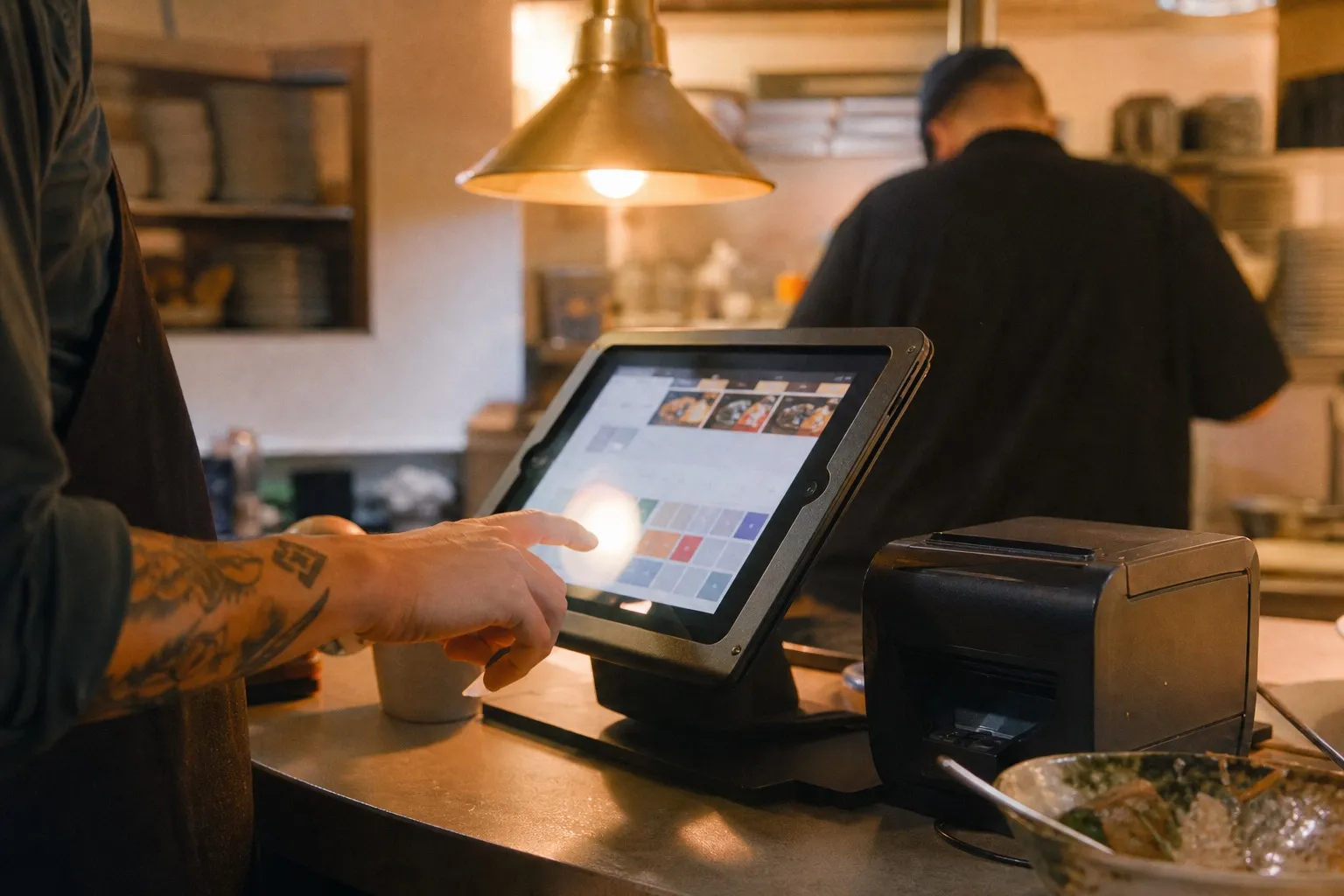
The headline tool is AI360, a generative-AI sales assistant Sysco built for its own reps. Hourican called it a “pocket teacher” — a chatbot a rep can query about product availability, inventory, customer history, and next-best actions while standing in your back-of-house. Where the old Sysco rep had a paper catalogue and an iPad full of PDFs, the new one has a model trained on your purchase history, the catalogue, and pricing rules. It tells them what to pitch and what to swap.
The consequential sub-feature is Swap and Save. It flags items in your weekly order where a Sysco private-label or lower-cost alternative could replace what you’re buying — and pre-authorises the price. Pitch to you: pay less. Pitch to the board: shift volume to higher-margin house brands.
CFO Kenny Cheung told analysts there is “a strong correlation between high colleague engagement with the tool and improved volume and selling performance.” Translated: the reps using it are selling more, and Sysco knows exactly which ones.
AI360 is not a customer-facing tool. It is a tool aimed at customers, fielded by reps. The quarter it went live, Sysco posted its highest rate of new-account growth in 12 months. If you have a Sysco rep, expect a sharper pitch. Don’t mistake it for neutral advice.
The boring stuff is doing the work
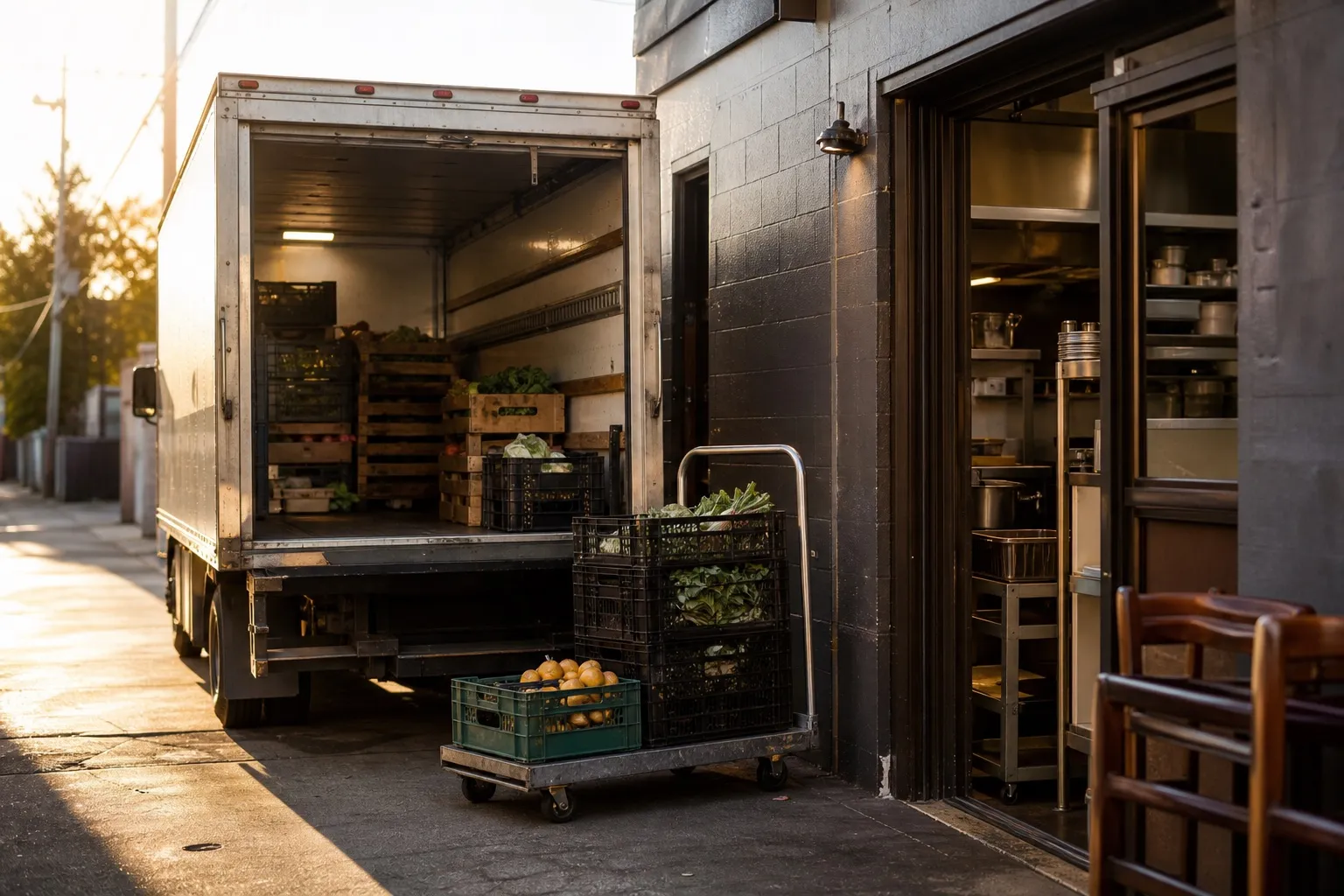
The under-covered product is the Sysco Marketplace — a B2B platform built on Mirakl, launched May 2024, that drops 15,000+ third-party specialty products into the sysco.com ordering flow. Ethnic spices, gluten-free SKUs, niche imports — categories where Sysco’s truck doesn’t make sense to stock but where your chef will defect if Sysco can’t deliver.
This is the right move. Sysco doesn’t need to own every SKU; it needs to be the default order screen. Same logic Toast and Square used to lock in operators on the POS side, and it’s why the margin discipline we wrote about in the Four Margins piece gets harder when one screen owns more of your purchasing. If you buy your sumac through the same checkout as your chicken breast, you stop comparison-shopping the sumac.
Alongside the marketplace, Sysco has rolled out a pricing-agility initiative letting reps match competitor pricing in real time without back-office override, and a refreshed Sysco Shop mobile app that reaches over 200,000 US restaurants. None of it is glamorous. All of it is the actual digital transformation.
The Restaurant Depot move is a data play
On March 30, 2026, Sysco announced a $29.1 billion agreement to acquire Jetro Holdings, parent of Restaurant Depot — the cash-and-carry warehouse chain small independents love because it’s 15–20% cheaper than delivered foodservice. The market hated it: Sysco’s stock dropped 16% on debt concerns, and antitrust lawyers started writing memos about the FTC’s 2015 block of Sysco’s run at US Foods.
The strategic logic is what Bottom Line readers have been tracking in the distributor M&A column. Sysco currently can’t serve restaurants below its delivery minimum profitably; Restaurant Depot owns that customer. Combined, Sysco sees the full purchasing behaviour of an independent across both channels and pitches them on whichever model is more profitable for Sysco that day. Hourican said it plainly: “The customer will choose which fulfillment option they prefer.”
Digital Commerce 360 makes the data point explicit: Sysco plans to use shared cross-channel data for “cross-channel promotions and customer-level insights,” with a buy-more-save-more loyalty program spanning both businesses. Same playbook the other consolidation stories we’ve covered have been telegraphing, with a much bigger cheque.
What this means at your back door
Recognise the new pitch. The Sysco rep showing up Tuesday now has a model that knows your order history better than your sous chef does. Swap and Save suggestions will look obvious and helpful, because they often are. They will also, by design, route you toward Sysco’s house brands. Both can be true. Treat them like any vendor recommendation: useful, biased.
Watch the marketplace creep. If you start ordering specialty items through Sysco Marketplace because it’s one fewer login, you’ve handed Sysco a clearer picture of your full purchasing mix. Do it if the prices are competitive — and re-check quarterly against your old specialty suppliers. The operators we profiled who stayed disciplined about supplier diversity didn’t get there by accident.
Re-price your contract if Restaurant Depot closes. Closing isn’t expected until Q3 fiscal 2027, and antitrust review could stretch that. But if it goes through, Sysco’s leverage over small accounts grows. Lock in terms now — particularly rebate language and substitution rights.
The wider read
Sysco spent $144 million on transformation-initiative costs in the first 39 weeks of fiscal 2026 alone, primarily on supply chain and business-technology strategy. The company has stopped framing AI as a product announcement and started framing it as operating discipline — every rep has it, every customer interaction is shaped by it, ROI shows up in case-volume growth, not a press release.
PFG will follow. US Foods will follow. The question for the next 12 months is whether any of the three actually ships a customer-facing AI tool — one that recommends across distributors rather than within — or whether the category stays locked in salesforce-productivity mode, where the AI is pointed at you rather than offered to you.
My bet: salesforce-productivity mode wins, because that’s where the dollars are. Which means Mise and the operator-side margin tools remain the only software actually pointed at the operator’s interest. Worth remembering when the rep walks in next Tuesday.
— Samuel hosts the Service podcast and files occasional Pass pieces. Tips: tips@tabletransfers.com.
Featured
More
Browse all 494 posts
The Voice Agent Maturity Curve
mise
·12 min read
The Four Margins of a Restaurant
mise
·14 min read
The AI Premium in Hospitality M&A: Broker Story or Real Number?
the bottom line
·9 min read
What the DoorDash/SevenRooms Deal Actually Buys
the bottom line
·11 min read