Toast joins Fast Company's Most Innovative Companies of 2026 — and the narrative cycle just hit its peak


Toast landed on Fast Company's 2026 Most Innovative Companies list on Monday, sharing a list with Anthropic, Nvidia, and Snowflake. The branding win is real. The contrarian read: this is the AI-narrative cycle peak for restaurant tech, and Toast IQ Grow now has to deliver on Q2 and Q3 numbers, not on press releases.
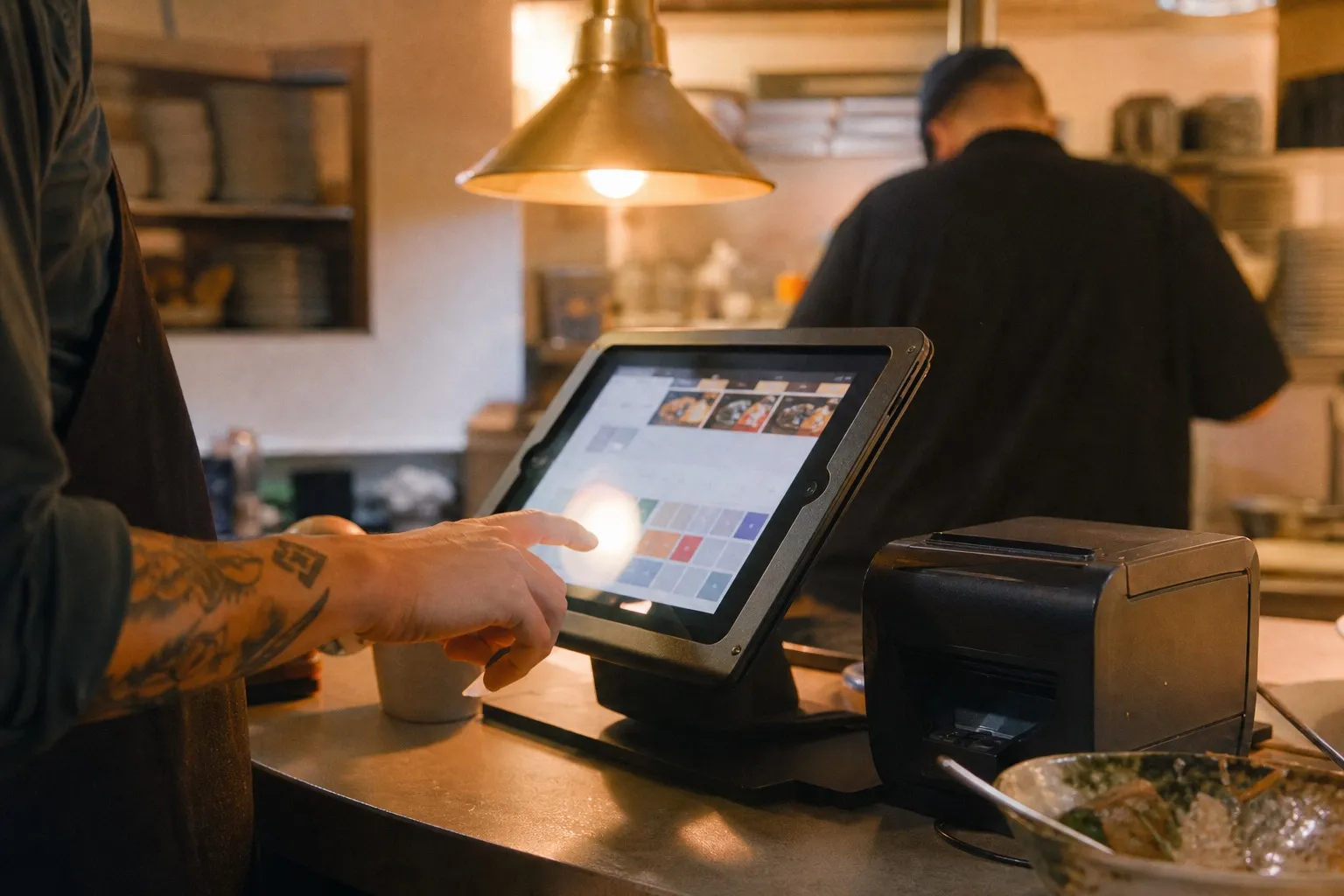
I read the Toast press release on my phone at 8:14 Tuesday morning, standing at the counter of a coffee shop in Fort Greene, waiting on a flat white and watching the barista key in an order on — yes — a Toast terminal. The release had landed the day before: Toast had been named to Fast Company’s annual Most Innovative Companies of 2026 list, the company’s announcement going out Monday morning, the social posts going up across the day, the LinkedIn victory laps queued and firing. I scrolled through the list of co-honorees on Fast Company’s site while my drink was being made. Anthropic. Nvidia. Snowflake. Toast. The four names sit on the same page now, in the same year, under the same banner. That is the thing the press release wants you to notice, and that is the thing operators should notice — but probably not for the reason Toast’s marketing team is hoping.
The contrarian read I want to put down before this story scrolls past: the Fast Company nod is the marker that the AI-and-hospitality narrative cycle just hit its peak. Not the bottom. Not the middle. The peak. From here, Toast IQ Grow — the “first AI agent” framing CEO Aman Narang has been using since the Spring release — has to deliver on Q2 and Q3 numbers, not on listings. The branding has gone as far as branding can go. The next eighteen months are about whether the product behind the branding earns the slot it just got.
The list, read carefully
Fast Company’s Most Innovative Companies issue is the magazine’s anchor franchise of the year. Landing on it is genuinely a meaningful piece of recognition; the editorial process is real, the sector judges are real, and the list does separate the companies operating at the frontier of their categories from the companies that are merely big. Toast made the Applied AI category, alongside the names I listed above. The company’s pitch to the judges, per the announcement Monday, centered on the AI agent rollout and the 160,000-plus restaurants the company says it now powers. Both of those are real. Mark them as such.
What is also real, though, is the timing. The list dropped two weeks after Toast’s Spring release, six weeks after Toast’s Q4 print, and roughly a quarter before the Q1 disclosure that will be the first independent test of whether Toast IQ Grow’s marketing-claim sales lift survives contact with an audited number. The category-level question — is Toast a legitimately innovative AI company or a POS company with a good demo — has not been answered by anyone except Toast itself yet. The Fast Company nod does not answer it. It just stamps the question with a brand.
The agent has to deliver now
Here is the operational read, which is the one I care about. Toast IQ Grow shipped to U.S. customers in late February as the company’s first AI agent, per Narang — a marketing automation agent that drafts campaigns, schedules sends, and runs on default. Sofia’s Desk Review of the AI Suite earlier this month laid out the substance and the moat reading: the lift the agent produces is mostly the data graph underneath it, not the model on top. That read still stands. What the Fast Company listing adds is pressure. A company that has just been positioned in print alongside Anthropic and Nvidia does not get to underperform on the agent it told the judges about. The next two quarterly prints are the venue where the brand promise either firms up or visibly slips.
CFO Elena Gomez will be the one to watch on this. Her framing on the Q4 call was the data-driven moat — 160,000-plus locations, six years of joined payment and menu and traffic data, the unfair advantage that sits underneath every AI feature the company ships. That is the defensible story. Whether Gomez can keep the investor narrative anchored on the data graph rather than on the agent’s headline metrics, through a year in which every analyst will be asking about Toast IQ Grow attach rates and lift figures, is the communications challenge that goes with the Fast Company stamp. I expect her forthcoming 24/7 Wall St. sit-down later this month to lean hard on exactly that framing.
The marker I want to leave with operators is the one that matters past the press cycle. The conversational layer that became Toast IQ in last year’s rebrand is now the front door to an agent that runs by default — and the next full Toast suite desk review coming in May will read against the Q1 print, not against any list. Awards are leading indicators of the story the industry is telling itself. Quarterly disclosures are leading indicators of whether the story has legs. Both matter. Only one of them survives a bad quarter.
Toast made the list. The list is the easy part. The hard part starts in May.
— Maya covers restaurant tech for TableTransfers. Tips: tips@tabletransfers.com.
Featured
More
Browse all 494 posts
The Voice Agent Maturity Curve
mise
·12 min read
The Four Margins of a Restaurant
mise
·14 min read
The AI Premium in Hospitality M&A: Broker Story or Real Number?
the bottom line
·9 min read
What the DoorDash/SevenRooms Deal Actually Buys
the bottom line
·11 min read